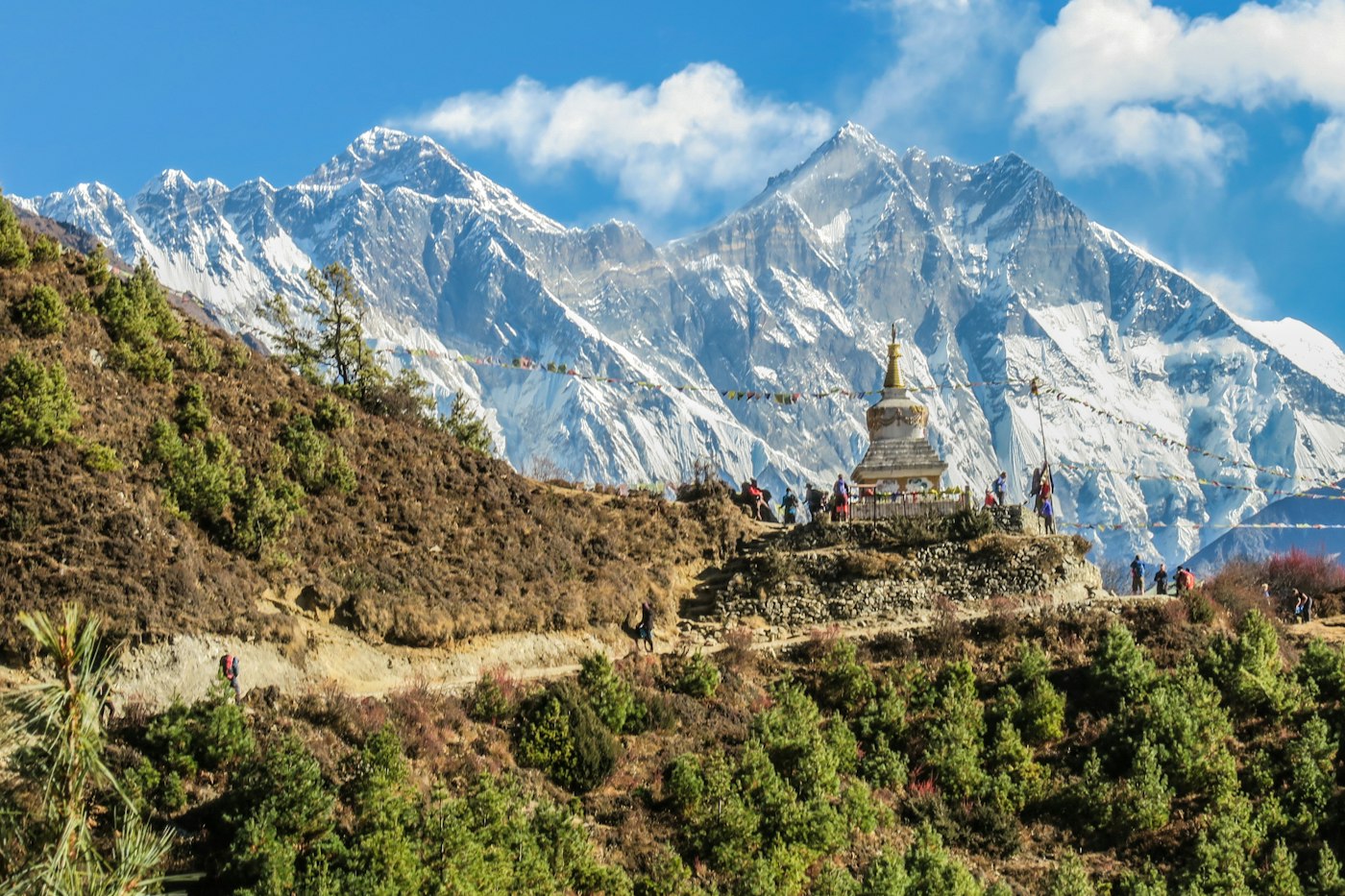
Why Sustainable Trekking Matters in Nepal
Nepal stands as one of the most biodiverse nations on Earth, hosting approximately 8% of the world's bird species and 4% of its mammal species within a remarkably compact geographic area. The Himalayan region serves not merely as a playground for adventure seekers but as a vital ecological corridor that regulates climate patterns across the Asian continent. With the increasing popularity of trekking in Nepal — drawing nearly 150,000 trekkers annually before global disruptions — the imperative to adopt sustainable practices has never been more urgent or consequential.
Sustainable trekking transcends the simplistic notion of leaving no trace. It represents a holistic approach to travel that considers environmental preservation, cultural respect, economic equity for local communities, and the long-term viability of tourism itself. When practiced correctly, eco-friendly trekking becomes a powerful force for conservation, providing financial incentives to protect forests, watersheds, and wildlife habitats that might otherwise face degradation from alternative land-use pressures.
The fragile mountain ecosystems of Nepal operate under conditions that amplify the consequences of human activity. At high altitudes, organic matter decomposes slowly, meaning waste persists far longer than in temperate zones. Water sources in the mountains feed major river systems that sustain millions of people downstream. The forests along popular trekking routes serve as critical carbon sinks and habitat for endangered species including the snow leopard, red panda, and Himalayan monal pheasant. Every decision a trekker makes — from choosing a route to selecting a guide to managing personal waste — ripples outward through this interconnected system.
Environmental Impact of Trekking in the Himalayas
Understanding the environmental footprint of trekking is the first step toward meaningful mitigation. Traditional trekking operations in Nepal have historically generated significant ecological pressures that compound with each passing season. Deforestation along popular routes occurred at alarming rates during the 1980s and 1990s, as tea houses burned wood to heat rooms and cook food for growing numbers of visitors. While the widespread adoption of kerosene and solar power has dramatically reduced this pressure, the challenge of sustainable energy provision continues in remote areas.
Waste management represents perhaps the most visible environmental challenge. Non-biodegradable materials — plastic bottles, wrappers, batteries, and discarded gear — accumulate at campsites, along trails, and in mountain villages that lack proper waste disposal infrastructure. The iconic base camps of Everest and Annapurna have become cautionary examples, with cleanup expeditions regularly removing tons of accumulated garbage from areas that receive the heaviest foot traffic. Even biodegradable waste poses problems when concentrated in areas with slow decomposition rates, as nutrients accumulate and disrupt natural soil chemistry.
Water contamination from untreated human waste and improper disposal of grey water threatens pristine mountain streams that serve as drinking water sources for downstream communities. Trail erosion from heavy foot traffic, particularly during monsoon seasons, damages vegetation and increases landslide risk. The cumulative effect of these impacts threatens the very natural beauty that draws visitors to Nepal in the first place.
💡 Key Insight: Research indicates that implementing Leave No Trace principles and proper waste management protocols can reduce the environmental impact of trekking groups by up to 90%. The solutions exist — adoption is the challenge.
Core Eco-Friendly Trekking Practices
The foundation of sustainable trekking rests on principles that, while individually straightforward, collectively generate profound environmental benefits when applied consistently. The Leave No Trace framework, adapted for the unique conditions of Himalayan trekking, provides an essential starting point for environmentally conscious travelers.
Proper waste management demands carrying out all non-biodegradable materials from trekking routes. This includes plastic packaging, wet wipes, batteries, and any other items that will not decompose naturally. Many eco-conscious trekking agencies now implement mandatory waste-carry protocols, providing trekkers with dedicated bags for collecting trash throughout the journey. Some pioneering operations even require participants to collect additional waste found along trails, transforming each expedition into an active cleanup initiative.
Water purification without single-use plastic bottles has become increasingly accessible through personal filtration systems, UV treatment devices, and water purification tablets. By carrying a reusable bottle and purifying water from local sources, trekkers can eliminate dozens of plastic bottles from the waste stream during a typical two-week trek. This single practice, if universally adopted, would dramatically reduce the plastic pollution burden on mountain communities.
Energy consumption during trekking requires conscious choices regarding heating, lighting, and electronic device charging. Solar chargers have become remarkably efficient and affordable, providing renewable power for cameras, phones, and headlamps. Tea houses along major routes increasingly offer solar-heated showers and LED lighting powered by photovoltaic installations. Supporting establishments that invest in renewable energy sends a market signal that accelerates the transition away from fossil fuel dependence.
Responsible Packing and Gear Selection
The gear you choose to carry reflects your environmental values and directly influences your trekking footprint. Prioritize equipment constructed from sustainable materials — recycled fabrics, ethically sourced down insulation, and products manufactured by companies with transparent environmental commitments. While sustainable gear often carries a premium price, the investment supports industry innovation and typically yields products with superior durability and longevity.
Minimize packaging by repackaging food items into reusable containers before departure. Bulk purchasing reduces the volume of single-use wrappers and boxes that must ultimately be disposed of in regions lacking proper waste management. Bring concentrated food items that require less fuel to prepare, reducing both weight and energy consumption. Local purchasing of supplementary items along the trekking route supports regional economies while reducing transportation-related carbon emissions.
Biodegradable soap, shampoo, and sunscreen are essential items that many trekkers overlook. Conventional personal care products introduce harmful chemicals into mountain waterways, affecting aquatic ecosystems and downstream water quality. The biodegradable alternatives perform comparably while eliminating this pollution pathway. Similarly, avoiding single-use toiletries and carrying reusable alternatives demonstrates a commitment to waste reduction that compounds across thousands of trekkers.
Choosing Sustainable Trekking Routes
Route selection profoundly influences both the environmental impact of your trek and the quality of your experience. While iconic destinations like Everest Base Camp and Annapurna Circuit attract enormous visitor numbers, Nepal offers dozens of spectacular alternative routes that distribute tourism benefits more equitably while reducing pressure on fragile, overcrowded ecosystems.
The Langtang Valley Trek exemplifies how choosing less-visited routes supports both conservation and community recovery. Following the devastating 2015 earthquake, the Langtang region has rebuilt its tourism infrastructure with a strong emphasis on sustainability. The valley offers breathtaking mountain scenery, rich Tamang cultural heritage, and the opportunity to contribute directly to communities still rebuilding their livelihoods. Visitor numbers remain below the levels that cause environmental degradation, allowing ecosystems to flourish.
Similarly, the Mardi Himal route has gained popularity precisely because it offers an authentic Himalayan experience away from crowded trails. Trekkers considering this destination should research the Mardi Himal Trek Cost to understand budgeting for a responsible, well-supported expedition. The Mardi Himal Trek itself provides stunning views of Machhapuchhre and Annapurna while traversing through pristine rhododendron forests and traditional villages that benefit directly from sustainable tourism revenue.
Even for those determined to pursue the iconic Everest Base Camp Trek, sustainable choices remain available. Selecting operators who employ comprehensive waste management, support local Sherpa communities through fair wages, and contribute to conservation initiatives transforms a potentially high-impact expedition into a force for positive change. The key lies in informed selection and intentional practice.
Route Comparison: Environmental Impact
- Overcrowded Routes: Higher waste accumulation, trail erosion, and resource strain on communities
- Alternative Routes: Better environmental conditions, authentic cultural experiences, and direct community economic impact
- Best Practice: Choose lesser-known trails during peak seasons and popular routes during shoulder seasons to distribute impact
Supporting Local Communities Through Eco-Tourism
Sustainable trekking extends beyond environmental considerations to encompass the social and economic dimensions of tourism in Nepal. The mountain communities that host trekkers — Sherpas, Tamangs, Gurungs, and other ethnic groups — depend on tourism as a primary economic driver. How that tourism is structured determines whether it strengthens or undermines community resilience.
Responsible trekking agencies employ local guides and porters at fair wages, provide adequate insurance and equipment, and respect cultural practices. They source food and supplies from local producers rather than importing goods from Kathmandu or abroad, keeping economic benefits within the communities that bear the costs of tourism. They invest in community infrastructure — schools, health posts, and renewable energy installations — creating lasting benefits that persist beyond individual trekking seasons.
As a trekker, you can support these practices by selecting agencies with transparent community engagement policies, tipping fairly, purchasing local handicrafts and products, and respecting cultural norms regarding dress, photography, and religious sites. The broader context of adventure tourism in nepal continues to evolve, with increasing recognition that community-centered approaches yield better outcomes for all stakeholders than extractive tourism models.
Cultural preservation represents another critical dimension of sustainable trekking. The traditions, languages, and spiritual practices of Himalayan communities constitute irreplaceable cultural heritage. Engaging respectfully with local customs, learning basic phrases in Nepali or regional languages, and participating in cultural exchanges enriches the trekking experience while demonstrating genuine appreciation for host communities.
Best Seasons for Eco-Friendly Trekking
Timing your trek appropriately serves as an environmental strategy. Trekking during the optimal seasons — typically spring (March to May) and autumn (September to November) — ensures trail conditions that minimize erosion and environmental damage. Attempting treks during monsoon season (June to August) risks triggering landslides, damaging fragile trail surfaces, and creating hazardous conditions that require emergency responses carrying their own environmental costs.
Understanding Nepal Trekking Seasons and Weather enables trekkers to plan expeditions that align with environmental carrying capacity. Spring offers spectacular rhododendron blooms and moderate temperatures, while autumn provides crystal-clear mountain views following the monsoon's cleansing of atmospheric particulates. Both seasons distribute visitor numbers across manageable volumes that trails and communities can accommodate sustainably.
Winter trekking (December to February) offers a unique opportunity for environmentally conscious travelers. Lower visitor numbers reduce cumulative trail impact, and communities benefit from off-season tourism revenue. While cold temperatures demand additional preparation and some high passes may be snowed in, winter trekking on appropriate routes provides a quieter, more intimate Himalayan experience with minimal environmental pressure.
Sustainable Trekking on a Budget
Environmental responsibility does not require a premium budget. In fact, many sustainable practices reduce costs by eliminating unnecessary consumption and emphasizing simplicity. The philosophy of Budget Travel and trekking in nepal demonstrates that eco-conscious trekking can be achieved affordably through strategic planning and mindful choices.
Carrying a reusable water bottle with filtration capability eliminates the recurring expense of purchasing bottled water while preventing plastic waste. Selecting tea houses over camping when feasible reduces the equipment you must transport and supports local businesses. Eating local meals — dal bhat, the ubiquitous lentil and rice dish — provides excellent nutrition at low cost while minimizing the carbon footprint associated with imported foods.
Group trekking distributes costs for guides, permits, and shared equipment while maintaining smaller per-person environmental impact than solo expeditions. However, when traveling independently, the Solo Adventure Travel in the Himalayas framework provides guidance for minimizing both costs and environmental impact through careful route planning and self-sufficient practices. The key lies in balancing independence with responsibility — carrying adequate safety equipment, respecting permit requirements, and maintaining environmental standards regardless of group size.
Solo Trekking and Environmental Responsibility
Solo trekking in Nepal presents unique environmental considerations that demand heightened personal responsibility. Without a group to share resources, the solo trekker must manage all waste, make all decisions about route selection, and bear full responsibility for environmental practices. This independence can be liberating but requires disciplined commitment to sustainable principles.
The advantages of solo eco-trekking include complete control over pace, route, and practices. You can choose the most environmentally sensitive options at every decision point — taking less-trafficked alternatives, spending extra time at campsites to ensure thorough cleanup, and engaging more deeply with local communities without group constraints. The flexibility to adjust plans based on environmental conditions — avoiding eroded trails, respecting wildlife disturbance concerns, or modifying routes to minimize impact — represents a significant advantage.
However, solo trekking also eliminates the distributed environmental impact that groups can achieve. Shared equipment reduces total material carried; group water purification systems can serve multiple people efficiently; and collective waste management distributes the labor of environmental stewardship. Solo trekkers must compensate by carrying comprehensive systems individually and maintaining rigorous personal standards regardless of the absence of peer accountability.
Adventure Tourism and Conservation
The relationship between adventure tourism and environmental conservation in Nepal represents one of the most compelling case studies in sustainable travel worldwide. When structured responsibly, adventure tourism generates the financial resources, political will, and international attention necessary to protect natural areas that might otherwise succumb to development pressures, resource extraction, or neglect.
Nepal's national park system, largely funded through trekking permit fees and tourism-related revenues, protects critical habitat for endangered species and maintains ecological corridors that span international boundaries. The Annapurna Conservation Area Project (ACAP) pioneered the model of community-managed conservation areas where tourism revenues fund environmental protection, community development, and sustainable resource management programs simultaneously.
Conservation organizations throughout Nepal leverage adventure tourism to fund research, habitat restoration, and anti-poaching initiatives. Trekking permits directly finance park ranger programs, trail maintenance crews, and environmental education programs for local communities. The economic value of living ecosystems — demonstrated through tourism revenue — creates powerful incentives for continued protection that alternative land uses cannot match.
Choosing a Responsible Trekking Agency
Selecting an ethical, environmentally responsible trekking agency represents the single most impactful decision a trekker can make regarding the sustainability of their expedition. A responsible agency shapes every aspect of your trek — from equipment selection and waste management to guide employment practices and community engagement — amplifying your individual commitment to environmental stewardship across an entire operation.
The Nepal Intrepid Treks or best trekking agency in nepal exemplifies the standards that environmentally conscious travelers should seek. Look for agencies that demonstrate concrete environmental policies rather than vague sustainability claims. Request specifics about waste management protocols, energy sources, staff treatment, and community investment. Reputable agencies will readily provide this information and welcome the scrutiny.
Third-party verification provides additional confidence in agency claims. Check the Trip advisor link for genuine traveler reviews that reveal operational realities beyond marketing materials. Independent review platforms like TrustPilot offer additional perspectives from trekkers who have experienced services firsthand. These reviews often address environmental practices, guide quality, and community engagement — the factors that distinguish genuinely responsible agencies from superficial performers.
For comprehensive information about trekking packages, environmental commitments, and community programs, visit their official GBP link and explore their complete service offerings before making your selection.
Practical Tips for Every Eco-Conscious Trekker
Translating principles into practice requires specific, actionable strategies that can be implemented regardless of experience level, budget, or selected route. The following recommendations represent the most effective practices for minimizing environmental impact while maximizing positive contributions to the communities and ecosystems you will encounter.
Before Departure
Research your selected route's environmental carrying capacity and visitor guidelines. Obtain required permits, which fund conservation programs directly. Pack reusable water containers, biodegradable personal care products, and adequate waste bags. Purchase travel insurance that covers high-altitude trekking and medical evacuation — responsible preparation prevents environmental damage from emergency situations.
On the Trail
Maintain a steady pace that prevents excessive trail erosion. Stay on marked paths even when shortcuts appear tempting. Camp at established sites rather than creating new campsites that damage vegetation. Use existing fire rings if fires are permitted; otherwise, use portable stoves. Keep noise levels low to avoid disturbing wildlife and other trekkers seeking natural tranquility.
In Villages and Tea Houses
Respect local customs regarding dress, photography, and religious sites. Ask permission before photographing people or entering sacred spaces. Purchase local products rather than imported alternatives. Conserve water and energy by taking shorter showers and limiting electricity use. Dispose of all waste according to local guidelines, carrying non-biodegradable materials to proper disposal points in Kathmandu.
After Your Trek
Share your experiences responsibly, promoting sustainable practices alongside scenic photographs. Provide honest reviews of agencies and services, emphasizing environmental and community impact alongside quality of experience. Consider making donations to conservation organizations operating in regions you visited. Plan future trips to alternative destinations, distributing tourism benefits across Nepal's many spectacular trekking regions.
🏔️ Remember: The Himalayas have endured for millennia. Your responsible choices today ensure that future generations — both local communities and future trekkers — can experience the same pristine beauty, vibrant cultures, and transformative adventures that make Nepal trekking extraordinary.
Ready to Trek Responsibly?
Choose a sustainable trekking partner committed to environmental protection, fair employment, and community development. Your adventure can make a positive difference.
Explore Eco-Friendly Treks →Read verified reviews from thousands of trekkers who experienced sustainable trekking firsthand.
View TripAdvisor ReviewsIndependent reviews verifying environmental commitments and customer satisfaction.
View TrustPilot ReviewsExplore complete trekking packages with detailed environmental and community programs.
Visit Official Profile